Via Salis boosts fleet decarbonization
Via Salis in the Czech Republic transitions half of its operational fleet to sustainable biofuels, supporting VINCI Highways’ decarbonization strategy.
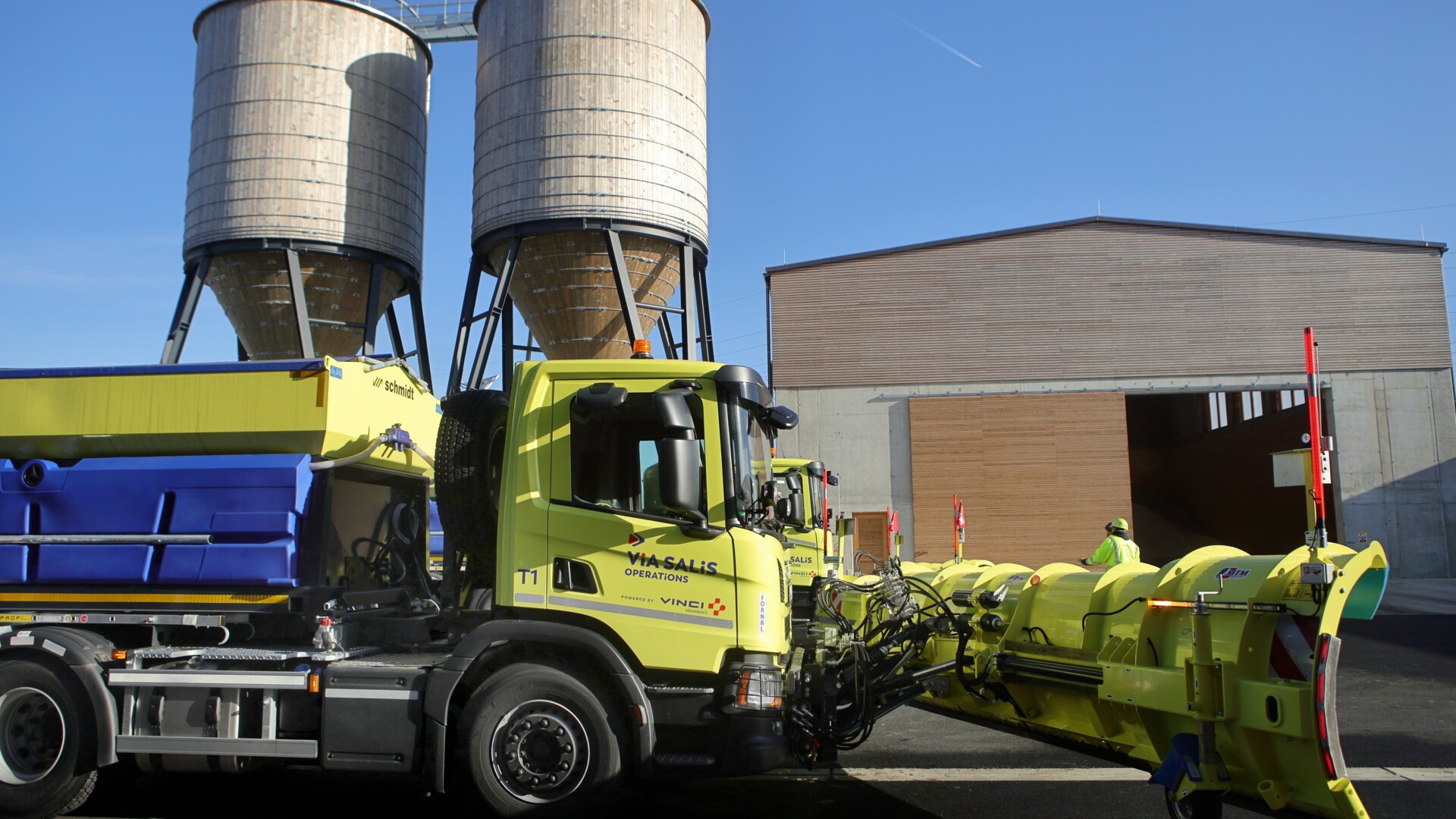
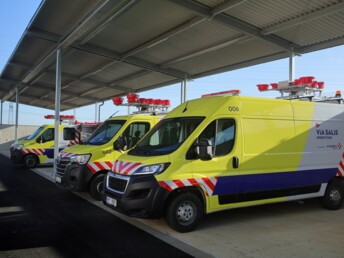
Operating the 48-kilometre D4 highway southwest of Prague for just over a year, VINCI Highways' subsidiary Via Salis Operations has just transitioned 12 of its 25 vehicles to sustainable biofuel. The transition will continue over the coming months, with all maintenance vehicles set to run on biofuel by the end of 2026.
The transition extends across a broad range of vehicles used daily to operate and maintain the highway, from inspection vans to spreader trucks, remote-controlled mowers and loaders. Once fully deployed, the programme is expected to reduce emissions associated with D4 maintenance activities by around 75%.
A sustainable biofuel tailored to performant highway operations
Via Salis Operations selected Hydrotreated Vegetable Oil (HVO), a sustainable biofuel produced entirely from used vegetable oils and other residual fats. By relying exclusively on recycled feedstocks rather than agricultural crops grown specifically for fuel production, HVO offers a lower-carbon alternative to conventional diesel while supporting a more circular use of resources.
The solution was also selected for its ease of deployment and strong operational performance. Key operational benefits include:
- No vehicle or equipment modifications required;
- Conditions that help extend engine life;
- Reduced fuel consumption;
- Reliable performance under Czech winter conditions, including temperatures as low as –22°C;
- European production, contributing to a stable and reliable supply chain.
One in four VINCI Highways vehicles worldwide already runs on low-carbon energy
The transition underway at Via Salis reflects a broader transformation taking place across the VINCI Highways network. Today, 25 % of the fleet operated by VINCI Highways to operate its roads accross 13 countries already runs on a low-carbon energy source, either electricity or biofuels.
This progress is being driven by a pragmatic approach adapted to local realities. Rather than relying on a single technology, VINCI Highways deploys the solutions best suited to local operational needs, energy ecosystems and available technologies:
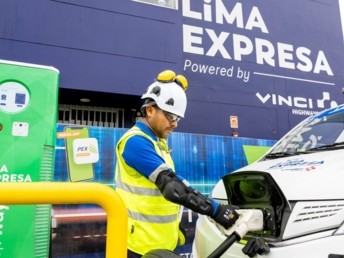
- In Colombia, Via Sumapaz recently added its first electric tow truck to support emergency response and roadside assistance operations, bringing the concession close to 20 electric vehicles in service.
- In Brazil, in a country where biofuels are widely available, most of the fleets operated by Entrevias and Via Cristais run on ethanol.
Together, these initiatives show how a combination of sustainable biofuels and electrification is helping decarbonize highway operations at large scale across a diverse international network.
Thanks to this locally grounded approach to environmental engagement, VINCI Highways has already reduced its direct emissions by 40% since 2018 .
VINCI Highways is a leading international roadway concessionaire and mobility services provider, managing a 3,750-km network across 13 countries. By integrating design, financing, construction, operations and tolling, we give public authorities the assurance of a single industrial partner able to deliver strong operational performance throughout the full life cycle of highway projects. As a long-term partner to the regions we serve, we are committed to safety, environmental progress and economic development.
Downloads
-
June 15, 2026
VIASALISOPERATIONS_OPERATIONALVEHICLES_BIOFUEL
June 15, 2026
Via Salis Operations fleet uses biofuel powered vehicles helping with the decarbonation of the operation -
June 15, 2026
VIASALISOPERATIONS_OPERATIONALVEHICLES
June 15, 2026
Via Salis Operations operational vehicles use biofuel as part of its efforts to decarbonize its fleet, following VINCI Highways sustainability goals. -
June 15, 2026
VIASALIS_OPERATIONALVEHICLES_SUSTAINABILITY
June 15, 2026
Via Salis Operations biofuel vehicles for highway patrolling -
June 15, 2026
Biofuel Winter vehicles Via Salis in Czech Republic
June 15, 2026
A Via Salis Operations maintenance truck running on sustainable biofuel parked at a highway service area in the Czech Republic.


You might find this interesting
-
19 December 2025
Via Salis marks successful year of operation as first PPP in the Czech Republic
One year after entering in operation, Via Salis D4 highway has confirmed its positive impact on mobility between Central and South Bohemia. Since its opening, more than 5 million vehicles have used the route, benefiting from shorter travel times, improved driving comfort and uninterrupted service, with almost 99% availability and no unplanned closures.
Read more -
13 February 2024
Greece’s first e-pass for electric vehicle released on Rio-Antirio bridge
To read the press release click here
Read more -
11 July 2023
Decarbonization: a new fleet of electric vehicles for road assistance in Peru
To read the press release click here
Read more